The Upward Glance: How Social Media Quietly Poisons Our Happiness
Envy is not a feeling we like to talk about. It feels too small, too embarrassing, too uncomfortable to admit. And yet, it sits with us every day — in the bathroom in the morning, at the office at noon, on the sofa at night. Because we live in a time where we are constantly immersed in the lives of others. Carefully curated fragments, polished to perfection, looping endlessly across our screens. Social media has democratised social comparison — and with it, envy.
The Quiet Sound of Envy
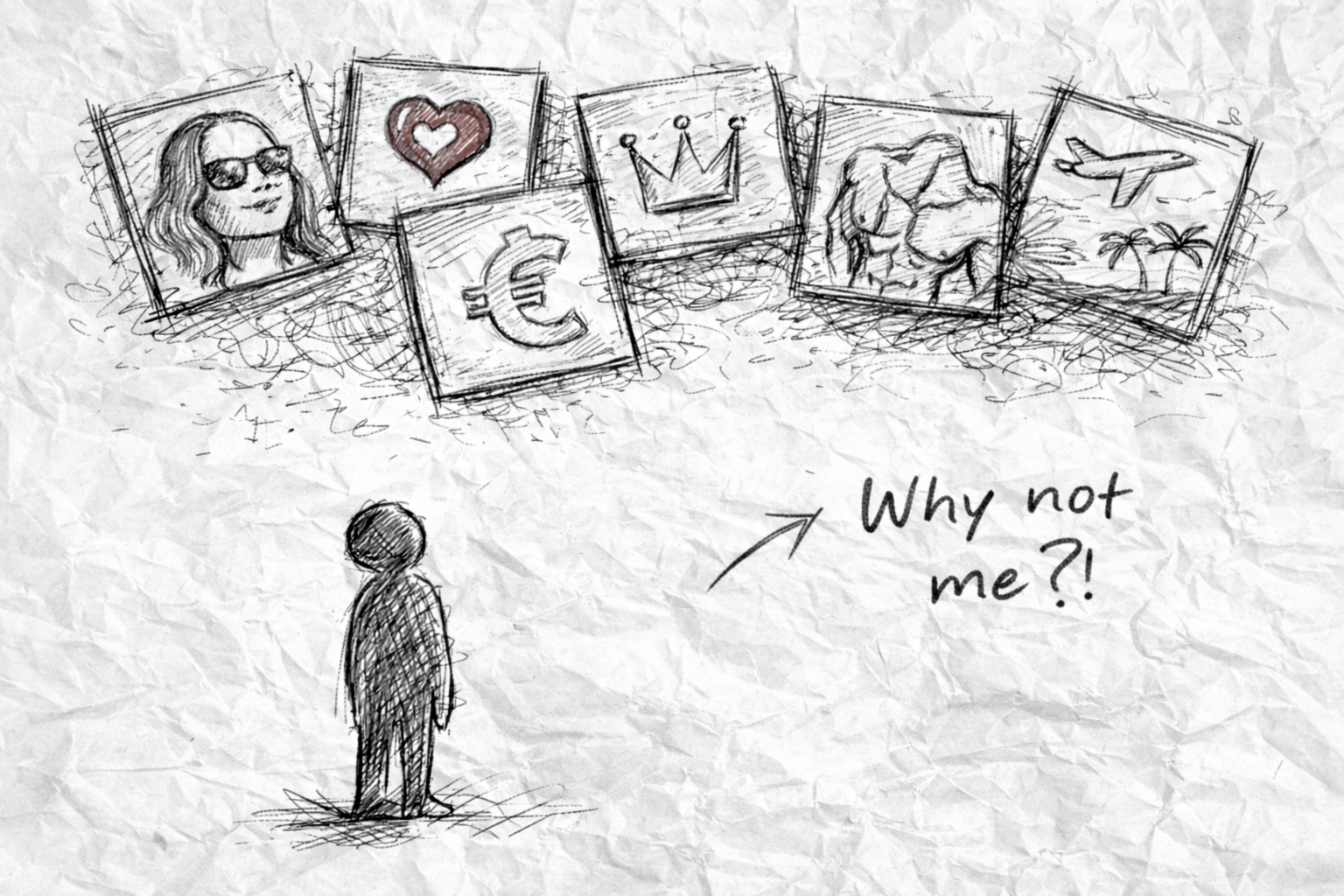
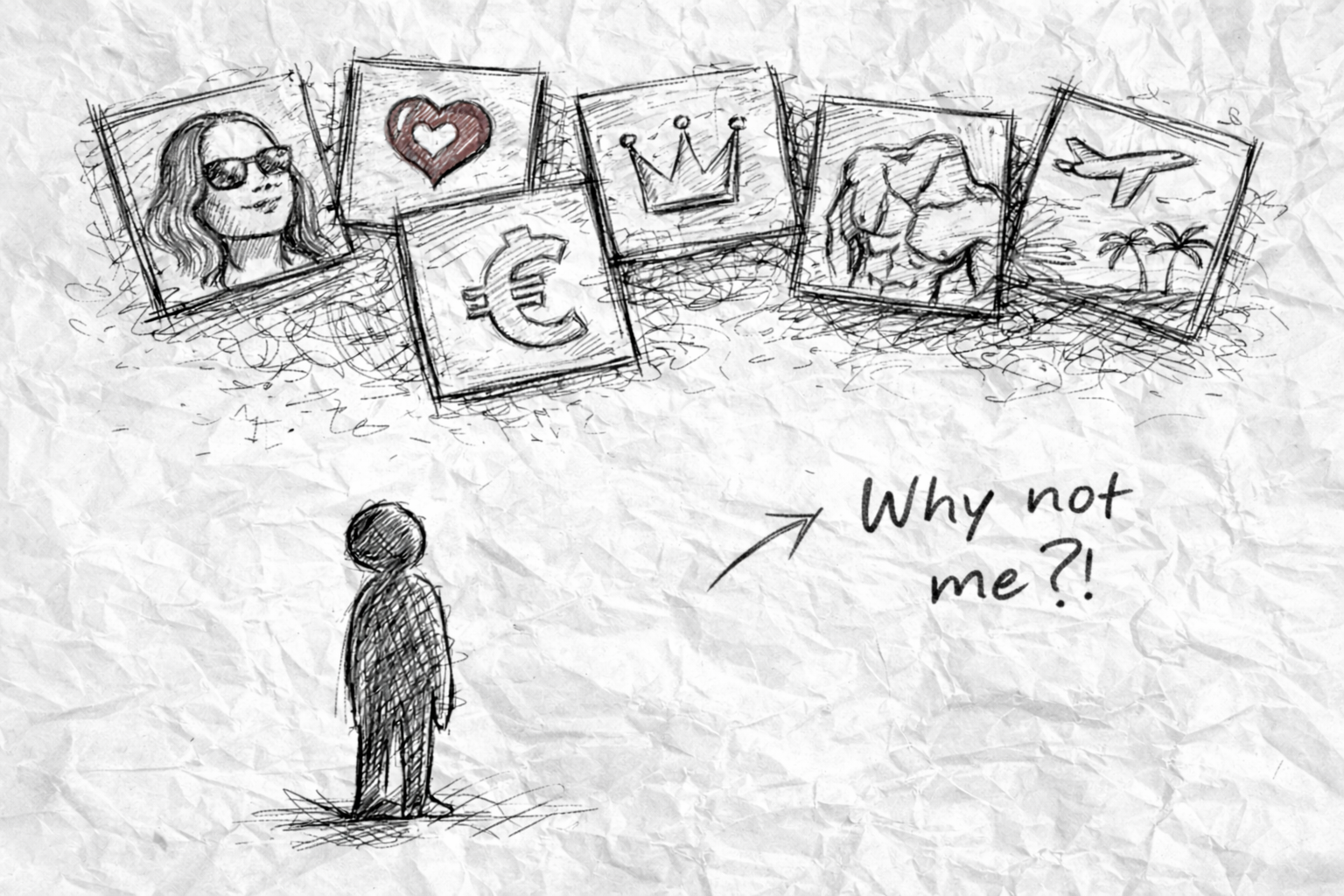
Envy is not loud. It doesn’t shout, and it rarely makes a scene. It is more of a quiet inner tension, a subtle pulling, a barely audible question: Why does she have that — and I don’t? In the past, envy was relatively contained. You might envy your neighbour’s garden, a colleague’s promotion, a sibling’s circle of friends. It had limits. It was local. And because of that, it was manageable. Today, we envy the entire world. That is new — evolutionarily new — and psychologically dangerous.
Social media has created something unprecedented: a permanent stage of comparison. A global showroom of seemingly perfect lives. An endless stream of beauty, success, happiness, travel, bodies, careers, relationships. And right in the middle of it all: you, with your actual life, your actual tiredness, your actual uncertainty, your completely unremarkable Monday morning.
The Garden We Keep Watering
Envy does not simply grow on its own. It behaves more like a garden. It is cultivated — through attention, through thought, through the quiet ritual of scrolling. Every glance at someone else’s life is like a drop of water. Every comparison a bit of fertiliser. Every like a tiny sting to your own sense of worth.
We like to tell ourselves: I’m just checking for a moment. But the brain never checks “just for a moment.” It immediately starts calculating. Who is more attractive? More successful? Happier? Further ahead? Better? And suddenly, your own life stops being an experience and turns into a running comparison.
The Pain of Comparison Is Real
Many people treat envy as a superficial problem — something rooted in ego or vanity. But from a neurological perspective, that is simply not true. The pain of social comparison is processed in the same systems as physical pain. Feelings like rejection, not being enough, not belonging — they are not metaphorically painful. They are biologically real.
This is exactly why social media is so powerful. Because we are not simply “consuming information” there. We are constantly positioning ourselves, often without realising it. Where do I stand in the ranking of the world?
The Myth of the Better Life
What makes this even more insidious is that our envy is rarely directed at someone’s real life. It is directed at something that is, in most cases, largely constructed. We compare ourselves to highlights without context, success without doubt, beauty without exhaustion. It is like comparing your unfiltered Tuesday morning to a red carpet at the Oscars. Your bank account to a polished PR story. Your relationship to a holiday filter. Of course you lose that comparison. Every time. It is designed that way. Social media is not just a mirror. It is a stage. And you are sitting in the audience, quietly believing you are supposed to keep up.
How Envy Erodes Us
Envy is not dramatic, but it is persistent. It slowly reshapes how we feel, how we relate, how we see ourselves. It makes joy shorter, gratitude rarer and relationships more fragile. Because comparison, especially upward comparison, is a game you cannot win. It convinces you that nothing is ever enough. Not your body. Not your relationship. Not your success. Not your life. Not you. And at some point, even your happiness stops feeling sufficient — because there is always someone who appears to be happier. That is the real tragedy. Not that others have something, but that we gradually lose the ability to feel what we already have.
The Envy Machine in Your Pocket
Never before in human history have we carried a device that can show us, within seconds, how much better other people’s lives seem to be. Never before has it been so easy to feel inadequate so quickly. Comparison has become instant, endless and cheap — and yet we still call it entertainment. Or inspiration. We tell ourselves we are relaxing when we scroll. In reality, we are engaging in a constant inner competition, often without noticing it.
A More Radical Thought
Perhaps freedom today is no longer about being able to see everything. Perhaps it is about not having to see everything. Perhaps mental strength is not about fighting envy, but about reducing its sources. Perhaps happiness is not about being better than others, but about being less occupied with the idea of “others” altogether.
Less Stage, More Life
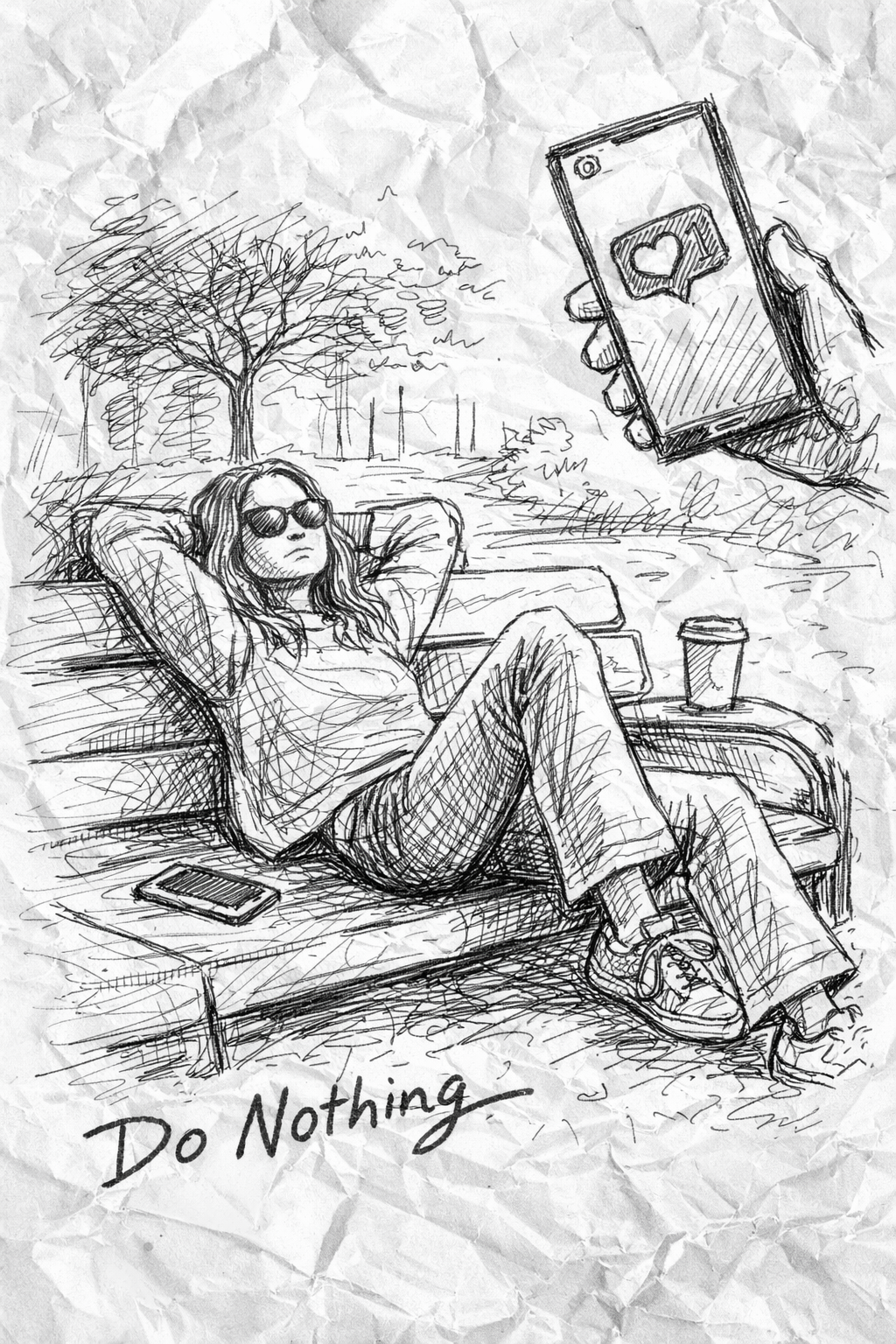
When you compare less — when you step away from social media altogether — something subtle but profound begins to shift. Your life does not suddenly become more spectacular, but it becomes quieter. It does not necessarily become more successful on the outside, but it becomes significantly more stable on the inside. You begin to experience things again as they are: a conversation without documentation, a moment without an audience, a success that does not need to be posted to feel real. That is not regression. It is psychological progress.
Envy Is Not a Moral Problem — It’s an Attention Problem
We grow what we look at. And social media has trained us to constantly look at the lives of others. That is why the way out does not begin with self-optimisation, but with attention. With the decision not to engage in every comparison. Not to consume every performance. Not to study every seemingly perfect life. Because your happiness is not a competition. And your life is not a ranking.
Want to step out of comparison for good? This book shows you why social media keeps pulling you into comparison — and how to break free from it. Blending science, sharp insight and practical guidance, it offers a clear path back to focus, self-worth and a life that actually feels like your own.
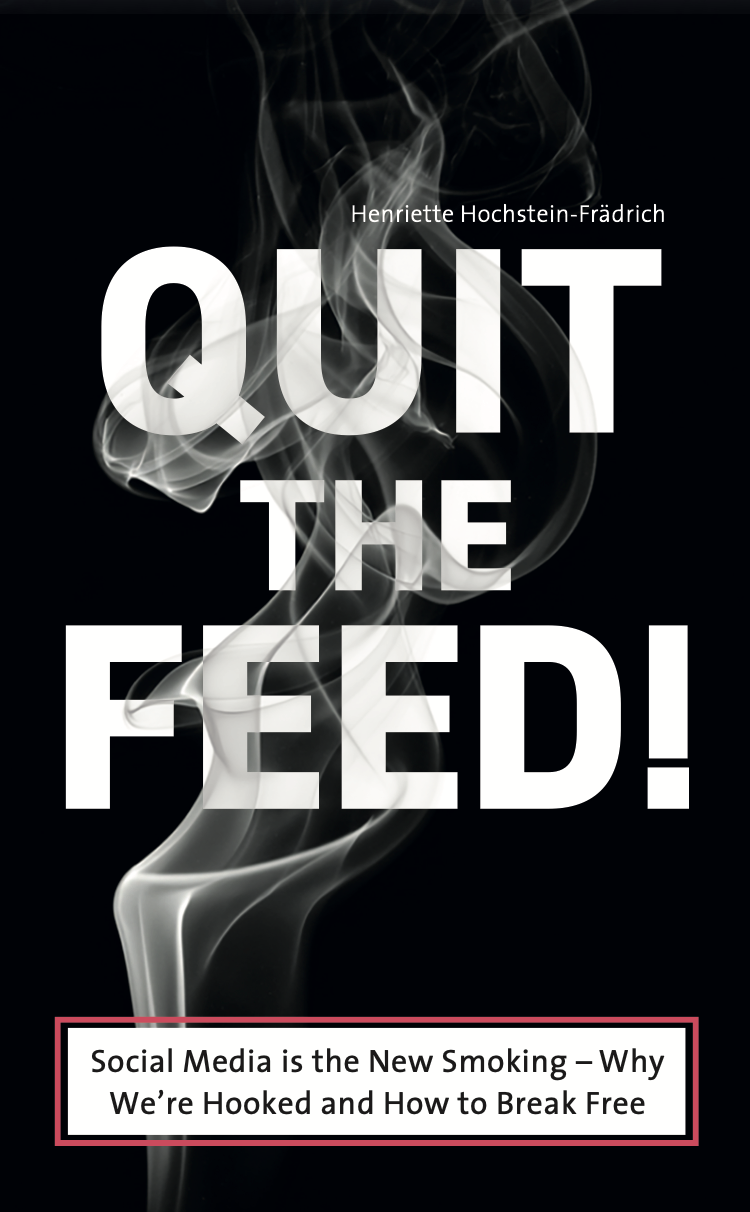
QUIT THE FEED!
Social Media is the New Smoking - Why We´re Hooked and How to Break Free
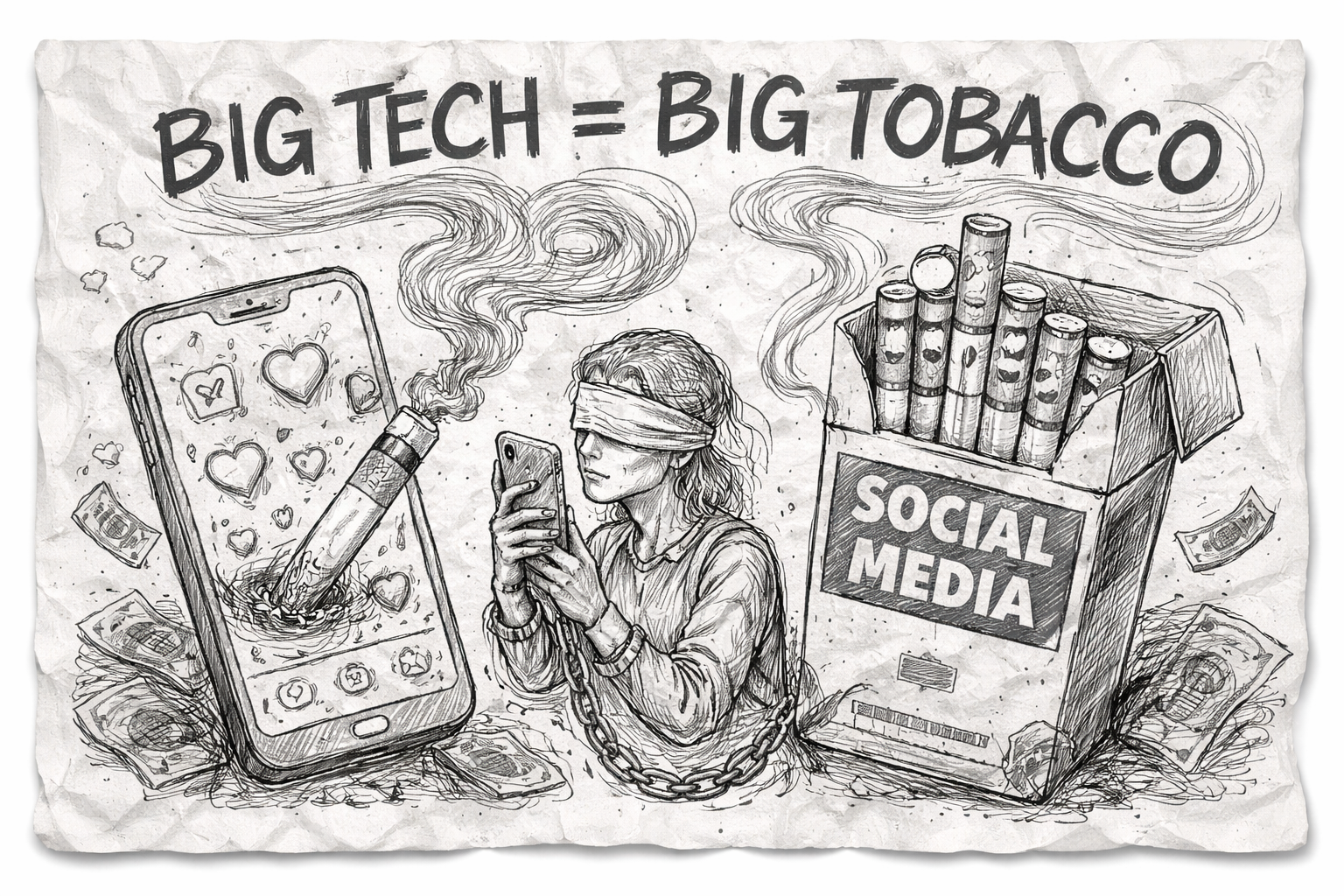
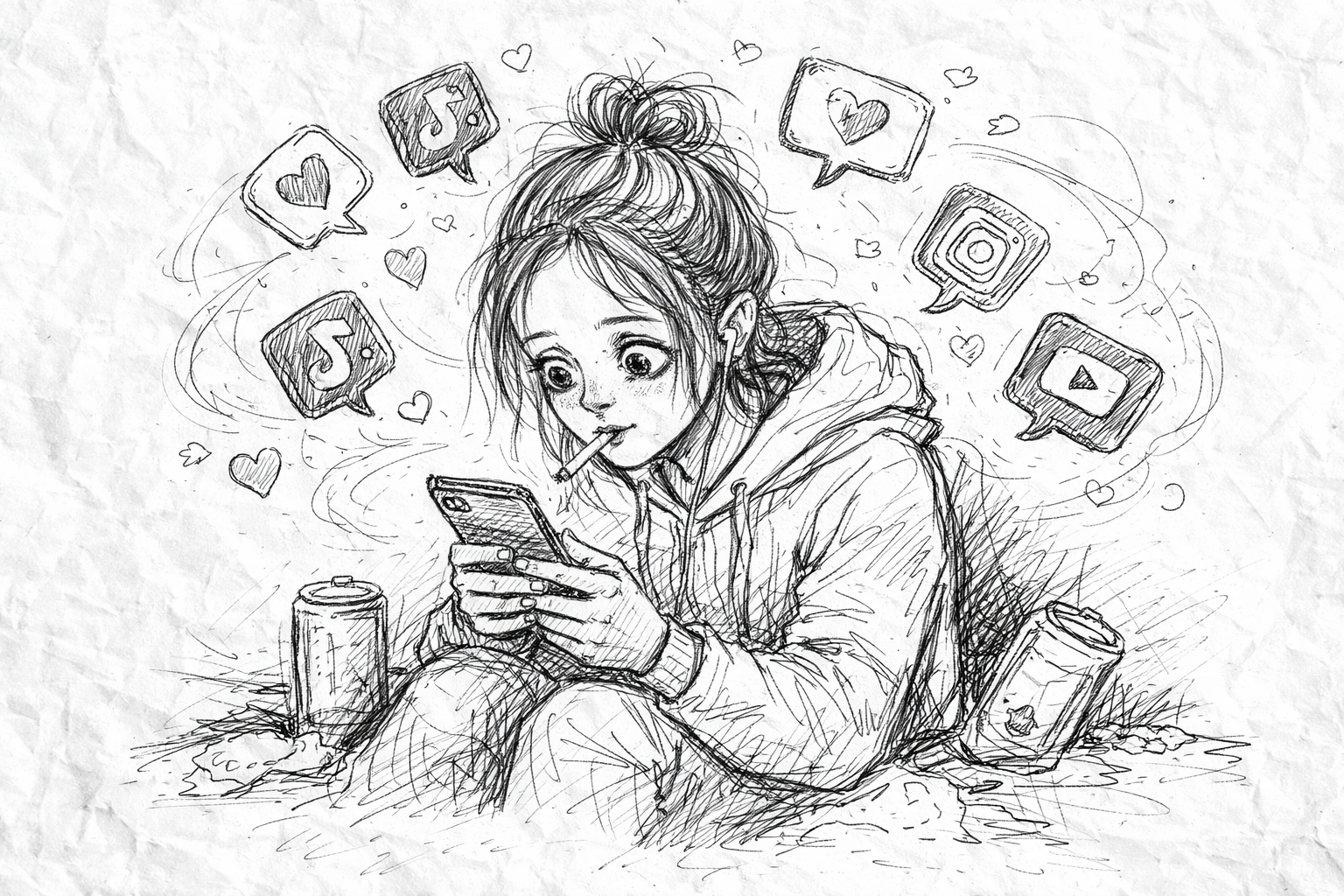
Deep down, we all already know it. Social media isn’t good for us. It steals our time. It destroys our focus. It traps us in endless comparison loops. It makes us feel anxious, restless, not enough. And yet — we keep reaching for our phones. Just like smokers reach for the next cigarette. Likes work like nicotine: a short dopamine hit — followed by long-term dependency.
This book reveals why social media is so addictive
and how you can successfully break free.
Related Articles & Deep Dives into Social Media Addiction and Digital Freedom
About the Author
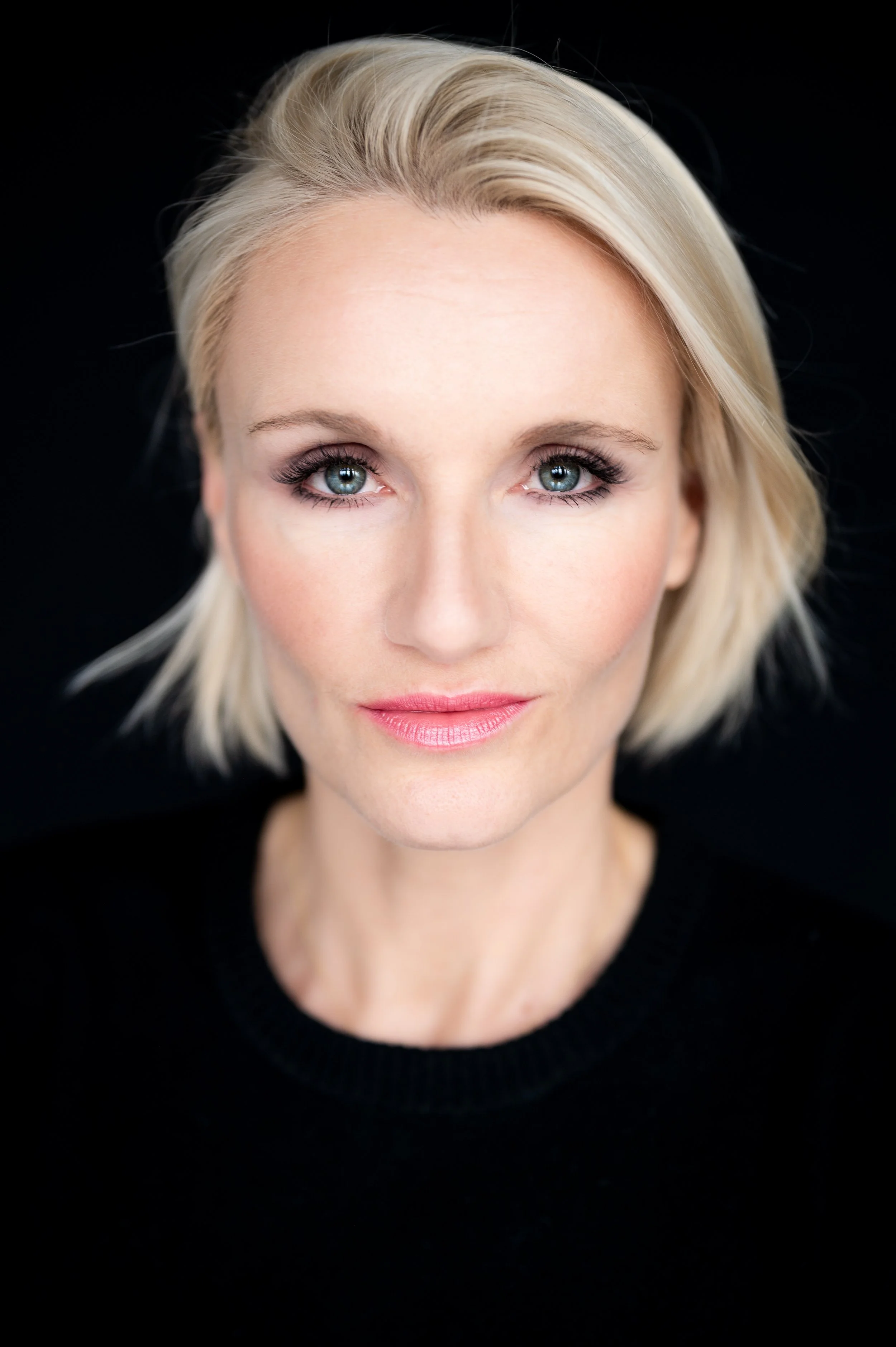
Henriette Hochstein-Frädrich is a German author, keynote speaker, and thought leader exploring attention, digital behavior, and radical focus in an age of constant distraction.
Writing from a distinctly European cultural perspective, she examines the psychological, societal, and economic forces shaping our relationship with technology — often challenging dominant Silicon-Valley narratives around productivity, visibility, and digital success.
With a background in journalism and entrepreneurship, Henriette combines analytical depth with a provocative, emotionally intelligent voice that resonates with audiences navigating transformation, overload, and the search for clarity in modern life.
She is the founder of several digital platforms and has worked with organizations and leaders across industries on topics such as resilience, innovation, leadership, and the future of human performance in an increasingly algorithm-driven world.
Her book Quit the Feed — Social Media Is the New Smoking contributes to the growing global conversation about mental health, attention economy, and digital autonomy. Through her writing, talks, and seminars, she invites individuals and organizations to rethink their dependence on social media — and to rediscover focus, freedom, and real connection.