Social Media Is the New Smoking.
Why We Can’t Quit — and How We Finally Break Free.
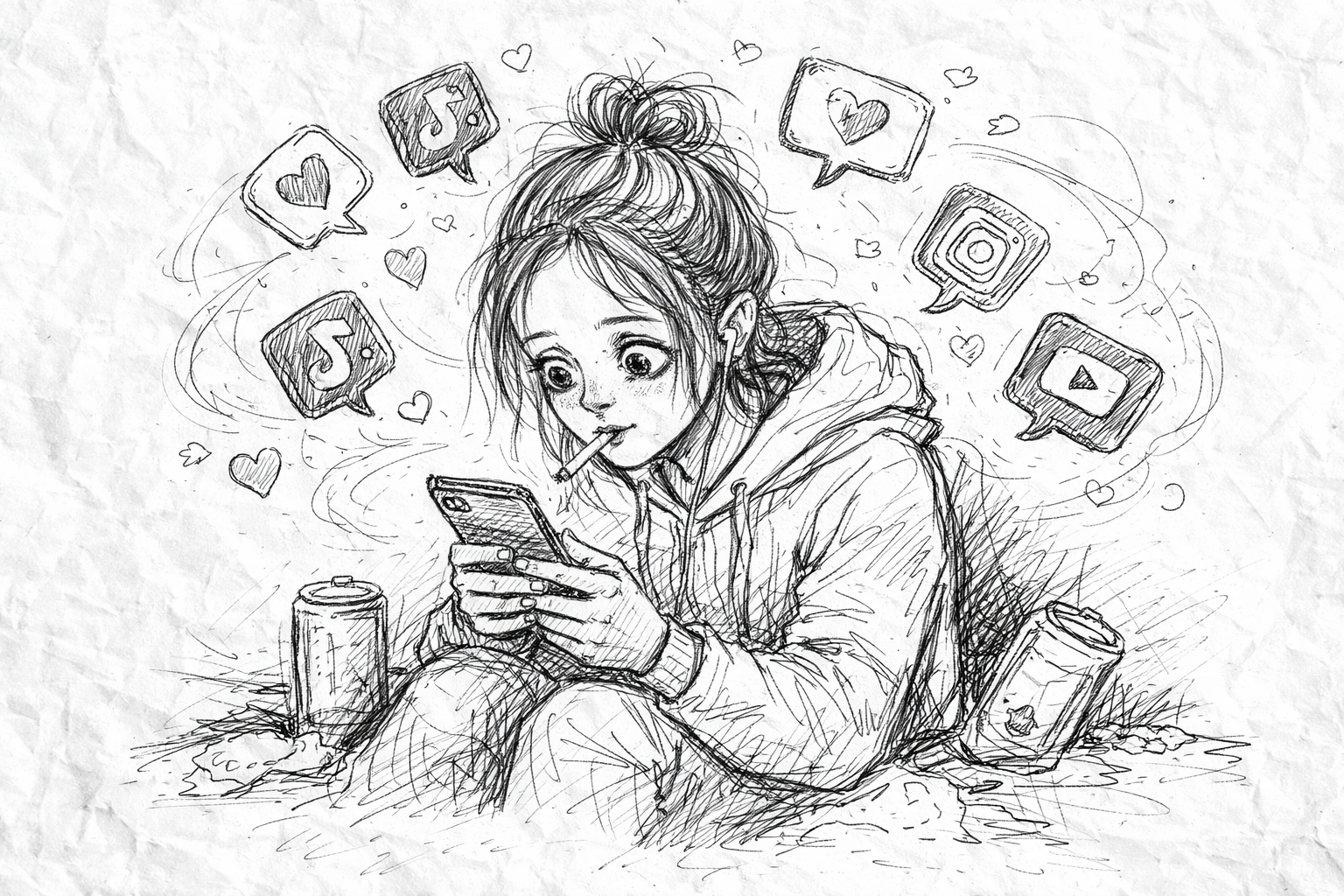
Deep down, we all already know it. Social media isn’t good for us. It steals our time. It destroys our focus. It traps us in endless comparison loops. It makes us feel anxious, restless, not enough. And yet — we keep reaching for our phones. Just like smokers reach for the next cigarette. Likes work like nicotine: a short dopamine hit — followed by long-term dependency.
This book reveals why social media is so addictive
and how you can successfully break free.
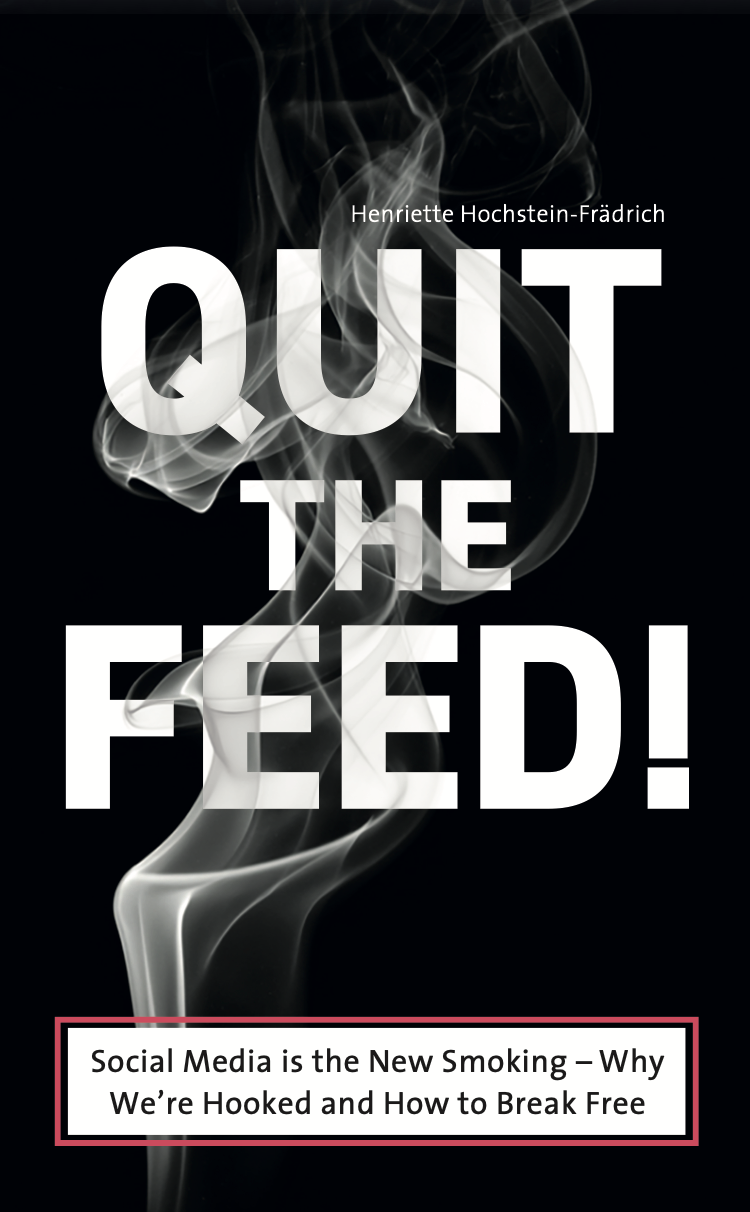
QUIT THE FEED!
Social Media is the New Smoking
Why We´re Hooked and How to Break Free
More and more people feel this quiet but powerful desire:
to finally escape social media — but they don’t know how.
This book shows you how to step out of the feed and reclaim your real life.
Social Media Works Like Nicotine
Social media isn’t just “a bad habit.” It operates much more like a powerful stimulant. Likes feel like tiny dopamine shots. The feed functions like an endless cigarette vending machine. And algorithms constantly intensify your craving for the next click. We know — and we can feel — that it’s not good for us. And yet we keep scrolling. Just like smokers keep lighting the next cigarette. Curious about the deeper comparison? Explore the full perspective here: Social Media Is the New Smoking — A Provocative Theory?
Why Is Social Media So Addictive?
Social media platforms are not neutral environments. They are carefully engineered to capture and hold our attention for as long as possible — because attention is one of the most profitable resources in the digital economy. Billions are earned every year by keeping us engaged, distracted, and emotionally hooked. Three core psychological mechanisms play a crucial role:
1. Dopamine and Variable Rewards: Every notification, like, or new post can trigger a small release of dopamine — the brain’s motivation and reward chemical. But the reward is unpredictable. This uncertainty creates what psychologists call a variable reward system. It keeps us checking, refreshing, and hoping for the next emotional payoff.
2. Fear of Missing Out (FOMO): Social media creates the constant feeling that something important is happening somewhere else. The result is a subtle but persistent anxiety: If I log off, I might miss something that matters. This perceived urgency keeps us connected — even when we’re exhausted.
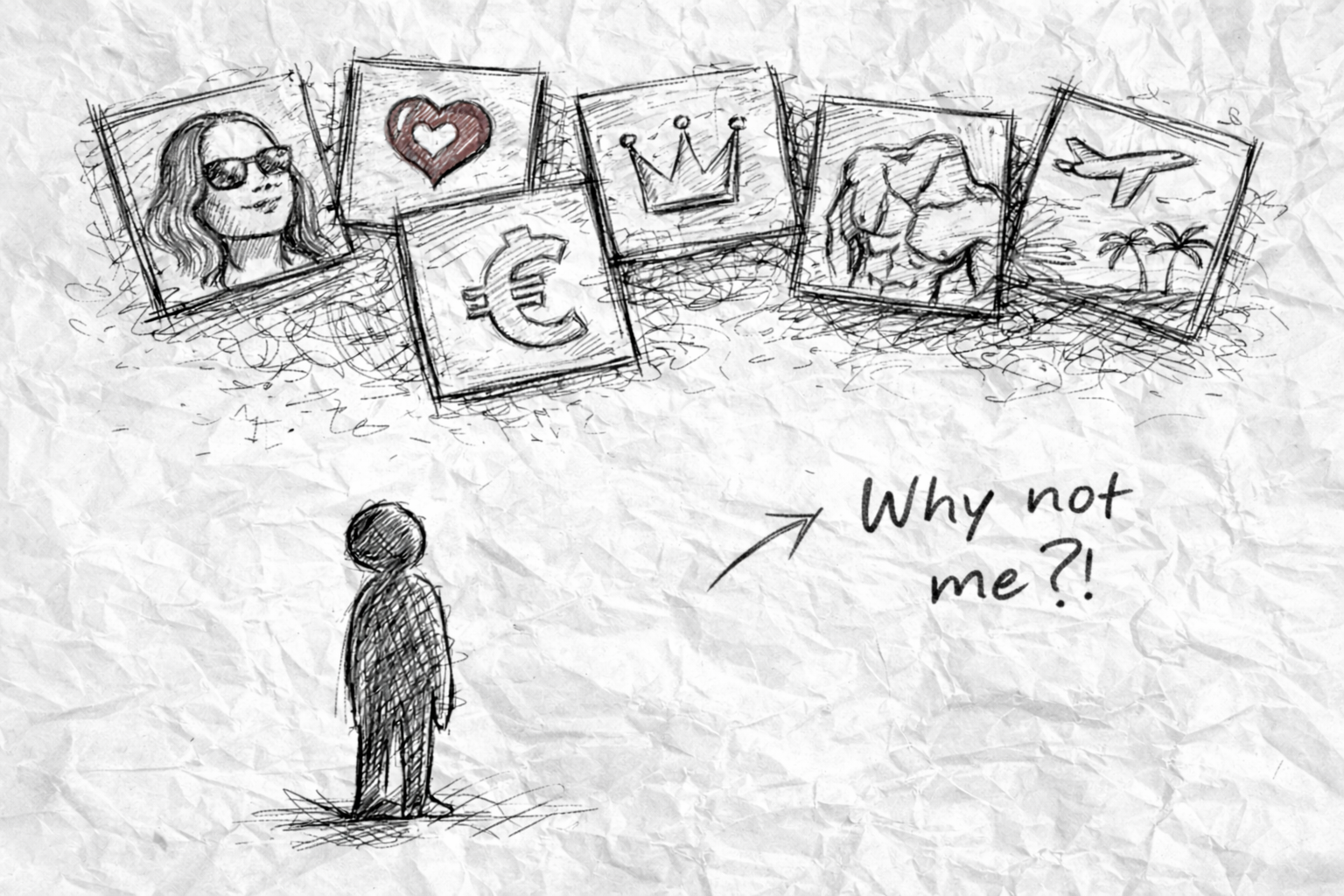
3. Social Comparison: We are biologically wired to compare ourselves to others. Social media amplifies this instinct to an extreme degree. We are exposed to carefully curated highlight reels. Over time, this can erode self-confidence, increase stress, and distort our perception of reality.
Together, these mechanisms create behavioral patterns that closely resemble classic addiction dynamics. Not because we are weak — but because the system is designed to be irresistible.
Just Imagine This …
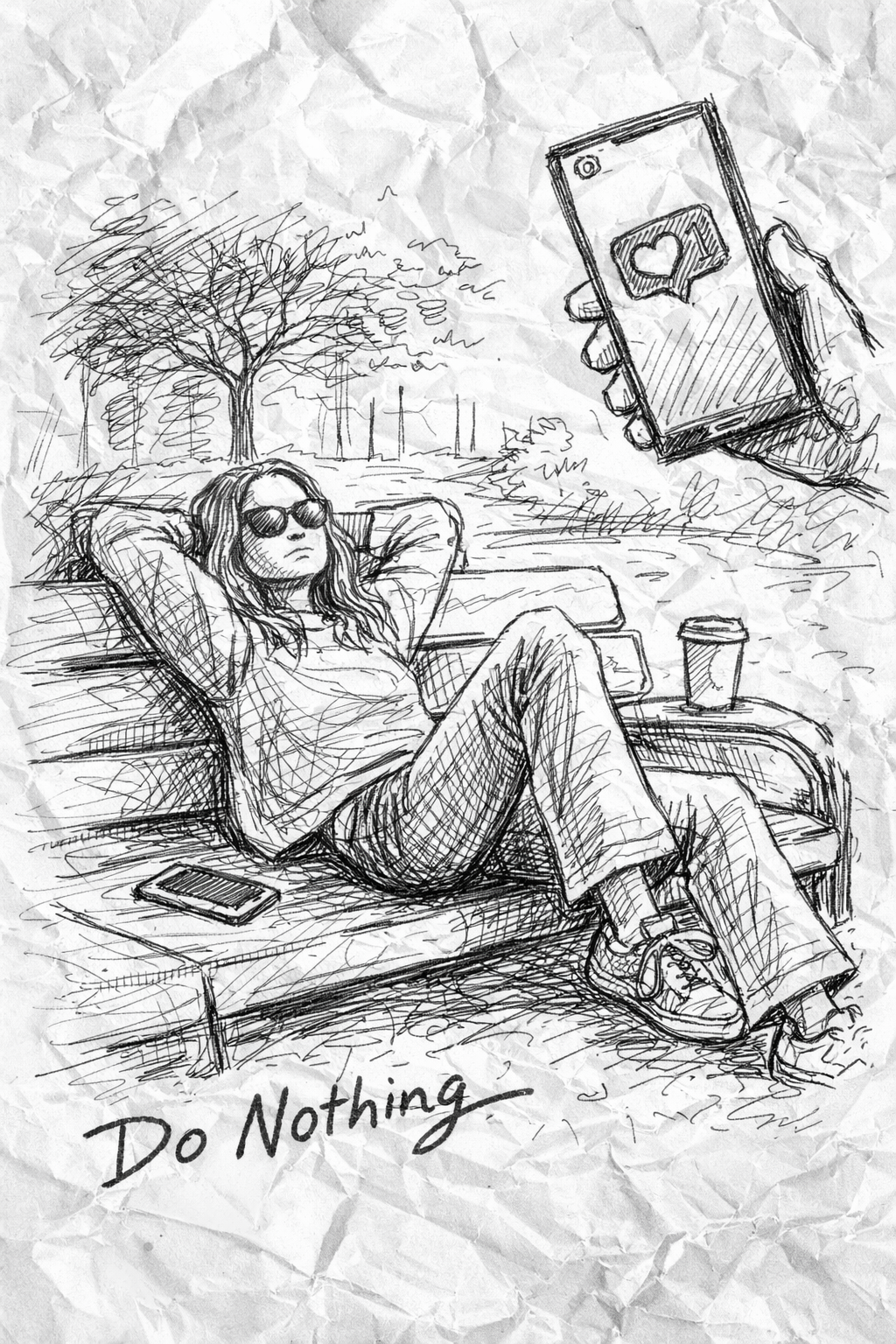
Imagine your mind becoming quiet again. You work with deep concentration — fully immersed in your tasks. You stop measuring your life against curated highlight reels. You simply focus on your own path. Your phone is no longer an extension of your hand. It just lies somewhere in the background. And one day you suddenly notice something almost unbelievable: You don’t miss social media at all. Wouldn’t that feel like freedom?
Maybe This Feels Uncomfortably Familiar …
You reach for your phone without really wanting to. You scroll through social media for no clear reason — and afterwards you wonder:
What was I actually doing there? You notice that you often feel worse after a long session in the feed. More restless. More distracted. Less satisfied with your own life. You’ve thought about quitting. More than once. You’ve told yourself you should cut back. Take a break. Try a “digital detox.” And yet — somehow — you keep going back. If this sounds familiar, you are far from alone. Social media is not a harmless communication tool. It is a perfectly engineered attention and addiction machine. And one of the most profitable industries of our time.
This Book Shows You What’s Really Going On
This is not another feel-good guide. Not another productivity hack. Not another gentle invitation to “use your phone more mindfully.” This book exposes the deeper mechanics behind social media addiction —
and offers a radically different way out.
Inside, you will discover:
Why social media is designed to be addictive
How platforms deliberately hack the reward systems of the brain
Why digital detox strategies usually fail
And how a real, sustainable exit can actually work
This is not about optimizing your screen time. It is about reclaiming your attention. Your clarity. Your emotional independence. Not a comfort program. Not a lifestyle trend. But a radical shift in perspective.
What Happens When You Leave Social Media
People who step away from social media often describe a surprisingly similar shift. They regain focus. They feel less stressed. They experience more real conversations, more presence, more time. Creativity returns. Productivity increases. Inner calm replaces the constant background noise. There is less pressure. Less comparison. Less low-level worry about keeping up. In simple terms: there is suddenly more of what genuinely feels good — and far less of what quietly drains your energy. Life without the endless pull of the feed can feel unexpectedly liberating. And unexpectedly joyful. If you want to explore real experiences and deeper insights, read more here: I’m Logging Off: What Really Happens When You Delete Social Media
Your Social Media Exit Starts Here.
There is no perfect moment to leave. No magical point when it suddenly becomes easy. There is only a decision. A decision to take your attention back. A decision to stop living inside the feed. A decision to reclaim your time, your clarity, and your real life. This book is your guide out of the scroll loop. Not through small tweaks or temporary detox plans — but through a fundamental shift in perspective. If you are ready to understand the system, break the addiction patterns, and step into a calmer, more focused life, your social media exit starts here.
Finally Out of Social Media
Still scrolling — or already living? This book is both an intervention and an invitation. An invitation to step out of the social media loop — radically and for good. It explains how digital addiction works on a neurological level. What constant exposure does to our self-worth, our focus, our emotional health, and even our physical well-being. And how the attention economy is quietly reshaping society as a whole.
But more importantly: it shows a clear, realistic, and achievable way out. Not a temporary digital detox. Not another app designed to control other apps. Not a motivational lecture about self-discipline. This is a guided withdrawal — and a radical final exit. Once you truly understand how the system works, you will only want one thing: to leave. And not come back. The promise is simple, but powerful: you will not miss social media. You will understand why you no longer want it. And you will rediscover how good life can feel when the noise finally fades.
A Wake-Up Call for the Scroll Generation
Let’s face it: social media works like smoking. We know it isn’t good for us — and yet we keep reaching for it. Likes function like cigarettes: a short emotional high followed by long-term dependency. This book draws the comparison many people already sense — but few have dared to articulate so clearly. Neuroscience research shows that social media interactions activate the brain’s dopamine reward circuitry in ways strikingly similar to other addictive stimuli. Platforms are not just tools. They are sophisticated behavioral systems designed to capture attention, shape habits, and normalize constant digital consumption. This book exposes those mechanisms — scientifically grounded, emotionally compelling, and deeply relatable.
Why This Book Matters Now
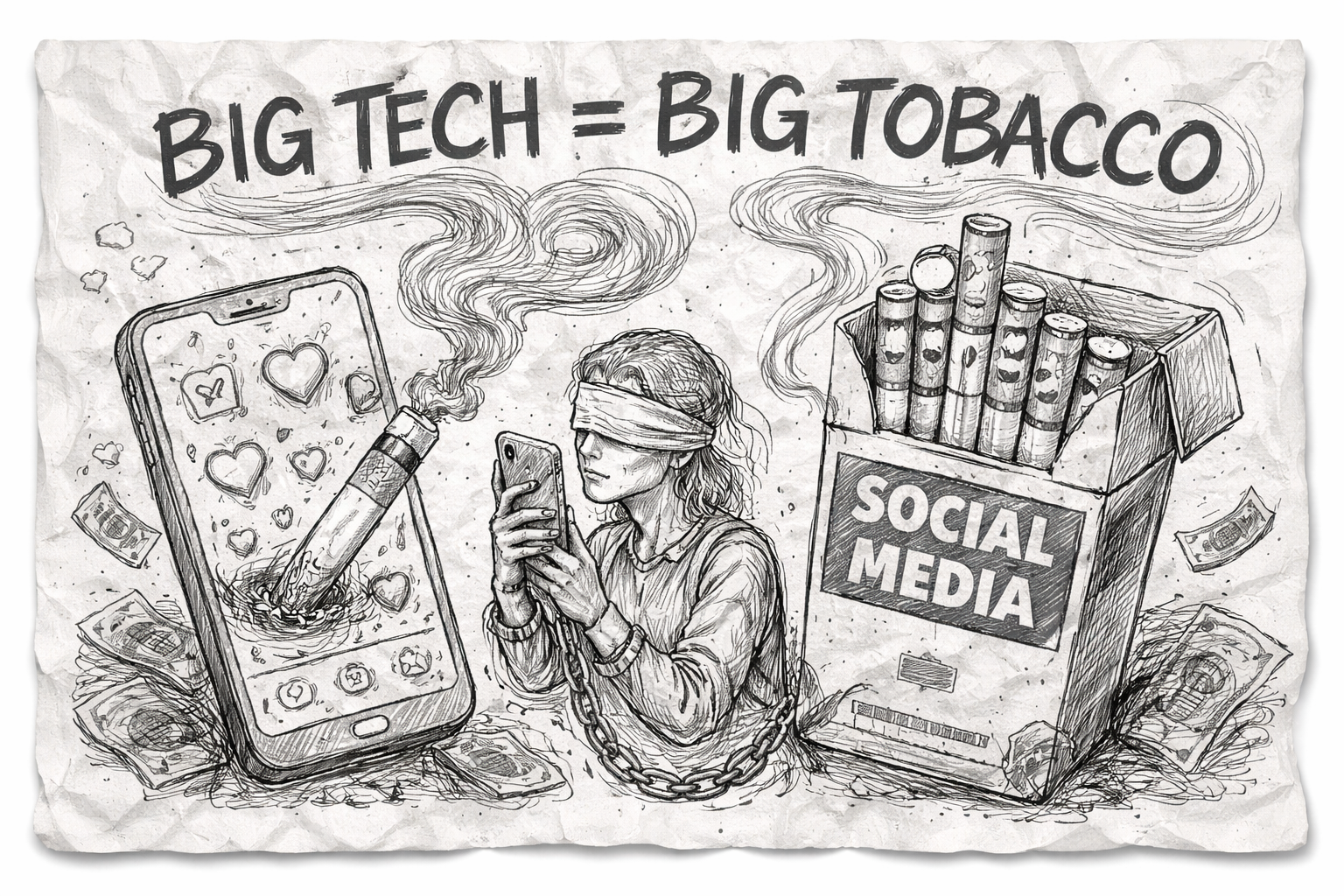
Because the cultural moment has shifted. What once appeared to be harmless networking tools have evolved into global attention machines. Instagram, TikTok, LinkedIn and others have become the cigarette vending machines of the digital age:
highly potent, socially accepted, and always within reach. Even former tech insiders now warn they would not want their own children growing up inside these systems. At the same time, a collective unease is growing. Digital detox trends, dopamine fasting, and the rise of JOMO signal a society struggling with chronic mental overload. More and more people sense that something isn’t right. They crave focus, agency, and real connection. They want to leave the social media hamster wheel — but they don’t know how. This book offers both clarity and permission: a structured path toward lasting digital freedom.
How the Book Works
The book follows a proven withdrawal framework and is structured in three transformative stages:
Part 1 — Diagnosis: Why We Become Addicted
How social media evolved into one of the most underestimated behavioral addictions worldwide. The shocking parallels with the tobacco industry. The psychological, neurological, and societal forces that keep us hooked
— even when we know it harms us.
Part 2 — Deconstruction: The Lies of the System
Why we believe we need social media for visibility, relevance, and connection. What actually happens when we leave — and what doesn’t. A radical demystification of FOMO, career anxiety, digital self-presentation, and identity attachment.
Part 3 — Transformation: The Exit
What life without the feed really looks like — mentally, professionally, and socially. What you gain when you leave: clarity, freedom, focus, real relationships, and a renewed sense of self. A realistic and empowering exit plan with reflection exercises, breakthrough insights, and a clear roadmap toward lasting change.
Who This Book Is For
For anyone who keeps scrolling and quietly wonders: Why am I doing this? For people experiencing digital fatigue, attention fragmentation, and emotional overload. For high performers who sense that constant online presence is draining more energy than it gives. For seekers of clarity, meaning, and real-world connection. For those standing at a turning point — professionally, mentally, or personally — and realizing that change must also include their digital environment.
This book gives language to a diffuse inner discomfort. It dismantles the fear of missing out. And it offers a courageous, intelligent strategy for stepping out of the feed — for good.
FAQ: Quitting Social Media and Breaking Free from the Feed
-
Yes — and a growing body of research suggests that social media can trigger behavioral patterns similar to other forms of addiction. Notifications, likes, and endless content streams activate the brain’s dopamine reward system, reinforcing habitual checking and prolonged use.
While social media addiction is not classified in exactly the same way as substance addiction, many users experience loss of control, cravings, withdrawal-like symptoms, and negative emotional consequences.
-
Social media platforms are intentionally designed to capture attention and encourage repeated engagement. Variable rewards, social validation, and fear of missing out create powerful psychological loops.
In addition, social media has become deeply integrated into modern work, communication, and identity. This makes the idea of quitting feel risky — even when the negative effects are obvious.
-
Many people report noticeable improvements after leaving social media, including reduced anxiety, better concentration, improved sleep, and higher overall life satisfaction.
Studies suggest that limiting or eliminating social media use can decrease stress levels and increase feelings of well-being — especially when digital time is replaced with meaningful offline activities.
-
Short-term digital detox strategies can offer temporary relief, but they often fail to address the deeper psychological and behavioral patterns behind social media dependency.
A more sustainable approach involves understanding how the system works, redefining personal boundaries, and creating a long-term strategy for reducing or eliminating usage.
This book focuses on a structured and realistic exit process, rather than temporary breaks.
-
People who leave social media frequently experience increased focus, more available time, improved emotional stability, and stronger real-world relationships.
Initial discomfort or fear of missing out may occur, but many former users describe a gradual sense of liberation and mental clarity.
-
Yes. While social media can be a useful marketing or networking tool in certain contexts, it is not the only path to professional visibility or career growth.
Many individuals and businesses build strong reputations through expertise, personal networks, high-quality work, and strategic communication beyond social platforms.
-
The first step is awareness: understanding how social media affects your attention, mood, productivity, and sense of self.
From there, practical steps may include removing apps, setting clear boundaries, replacing digital habits with offline routines, and developing a long-term mindset shift toward intentional technology use.
A structured roadmap can significantly increase the chances of lasting change.
-
There is no universal timeline. Some people notice positive changes within days, while deeper behavioral and emotional shifts may take several weeks or months.
Like any habit change, lasting transformation depends on awareness, mindset, and the strategies used to replace digital routines.
-
Not necessarily. While social media can support marketing and networking efforts, it is not the only or even the most sustainable path to professional visibility.
Expert positioning, word-of-mouth reputation, strategic partnerships, high-quality content, and real-world relationships can be equally — or more — effective.
-
Yes. Many professionals and companies build strong brands through thought leadership, public speaking, media presence, search visibility, newsletters, and direct client relationships.
Visibility is a strategic outcome — not exclusively a social media function.
-
A digital detox is typically a temporary break from platforms. A social media exit involves a deeper, long-term shift in mindset and behavior.
It focuses on understanding the psychological mechanisms behind usage and building a sustainable life beyond constant online presence.
-
Fear of missing out is one of the strongest psychological hooks of social platforms. In reality, many former users discover that they gain more meaningful experiences, deeper focus, and stronger relationships offline. The perceived loss often transforms into a sense of freedom.
-
Regulation may help address structural issues such as data protection or platform accountability.
However, lasting change also requires individual awareness and cultural shifts in how technology is used. Understanding the system is a key step toward reclaiming autonomy. -
Humans are naturally wired for social comparison. Social media amplifies this instinct by exposing users to curated highlight reels of other people’s lives. This can distort self-perception, increase pressure, and contribute to chronic dissatisfaction.
Related Articles & Deep Dives into Social Media Addiction and Digital Freedom
If you want to explore the psychological, cultural, and societal impact of social media in more depth, you’ll find additional essays and research-based reflections here.
About the Author

Henriette Hochstein-Frädrich is a German author, keynote speaker, and thought leader exploring attention, digital behavior, and radical focus in an age of constant distraction.
Writing from a distinctly European cultural perspective, she examines the psychological, societal, and economic forces shaping our relationship with technology — often challenging dominant Silicon-Valley narratives around productivity, visibility, and digital success.
With a background in journalism and entrepreneurship, Henriette combines analytical depth with a provocative, emotionally intelligent voice that resonates with audiences navigating transformation, overload, and the search for clarity in modern life.
She is the founder of several digital platforms and has worked with organizations and leaders across industries on topics such as resilience, innovation, leadership, and the future of human performance in an increasingly algorithm-driven world.
Her book Quit the Feed — Social Media Is the New Smoking contributes to the growing global conversation about mental health, attention economy, and digital autonomy. Through her writing, talks, and seminars, she invites individuals and organizations to rethink their dependence on social media — and to rediscover focus, freedom, and real connection.
If you’ve made it this far, something inside you already knows: the constant scrolling, comparing, and checking is costing you more than it gives. You don’t need more discipline. You don’t need another productivity hack. You don’t need a better algorithm. You need a new perspective — and a clear path out.
This is exactly what the book “Quit the Feed — Social Media Is the New Smoking” provides. A bold, evidence-based wake-up call. A structured roadmap for leaving social media behind. And a powerful invitation to reclaim your attention, your clarity, and your life.
Get the Book
Discover why social media feels so hard to quit — and how a real, lasting exit becomes possible. Start your social media exit with the book
Quit the Feed! Social Media is the New Smoking - Why We´re Hooked and How to Break Free
Ready to Quit the Feed? Start Your Exit Today
Book a Keynote or Workshop
Bring the conversation about digital overload, attention economy, and radical focus to your organization, conference, or leadership event. Keynotes and seminars based on the book offer:
eye-opening insights into social media addiction and behavioral design
practical strategies for focus, resilience, and digital autonomy
inspiring impulses for individuals and teams navigating constant distraction
Invite Henriette Hochstein-Frädrich to speak about the social media exit.
Send your inquiry.
Join the Quiet Revolution
More and more people are choosing clarity over constant connection. Depth over digital noise. Real presence over performative visibility. If you feel the same pull toward change, this book can be your starting point.
Because freedom from the feed is not a loss. It’s a return to yourself.
Take the first step and begin your exit today.
Bring the topic to your stage: Speaking Requests & Contact
For keynote bookings, event enquiries, or media requests, please contact us via info@henriette-fraedrich.com or submit your message through the contact form below.